




Tessa’s Recipe Rundown
Taste: Olive oil + fresh rosemary + salt = bold, savory, craveworthy flavor!
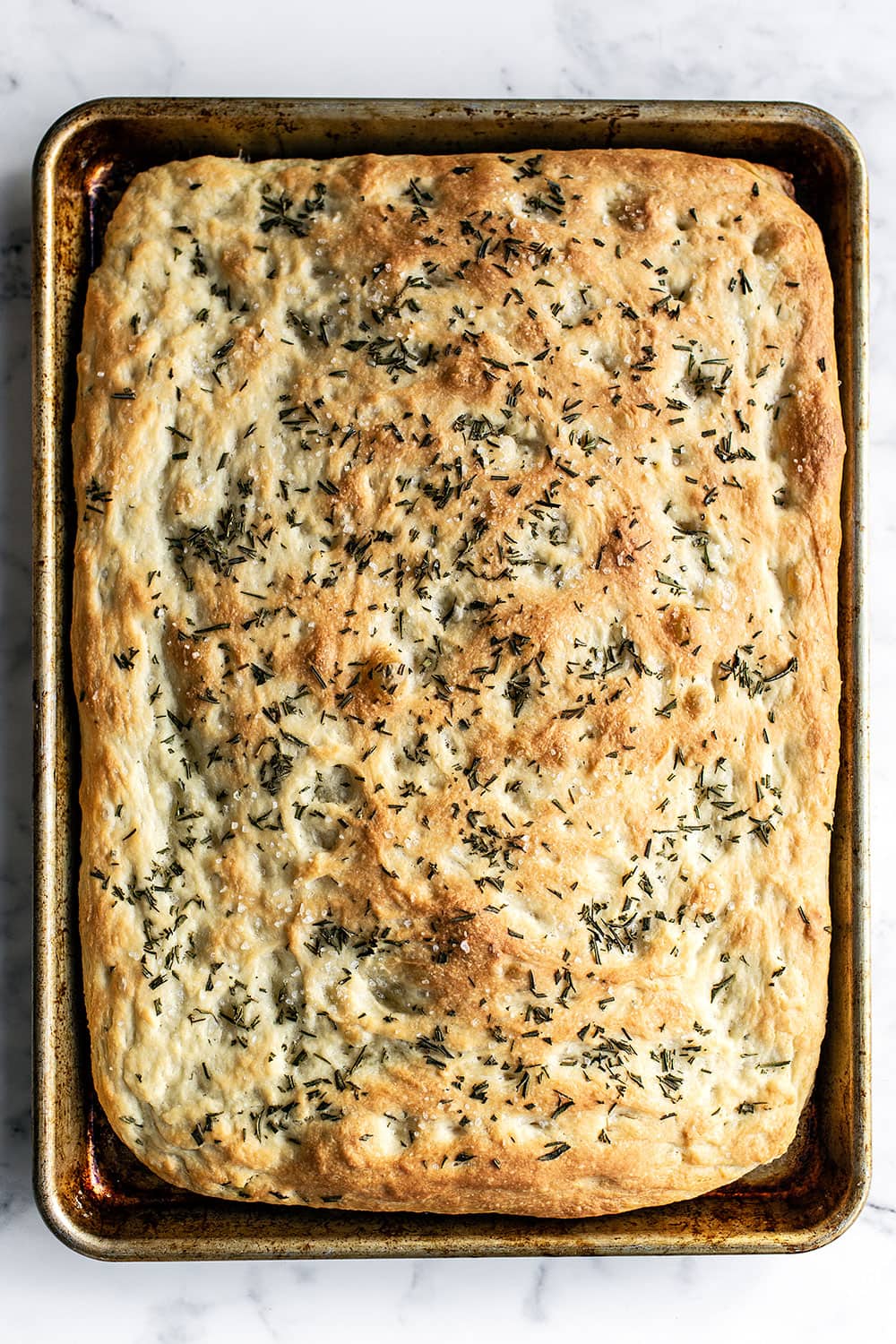
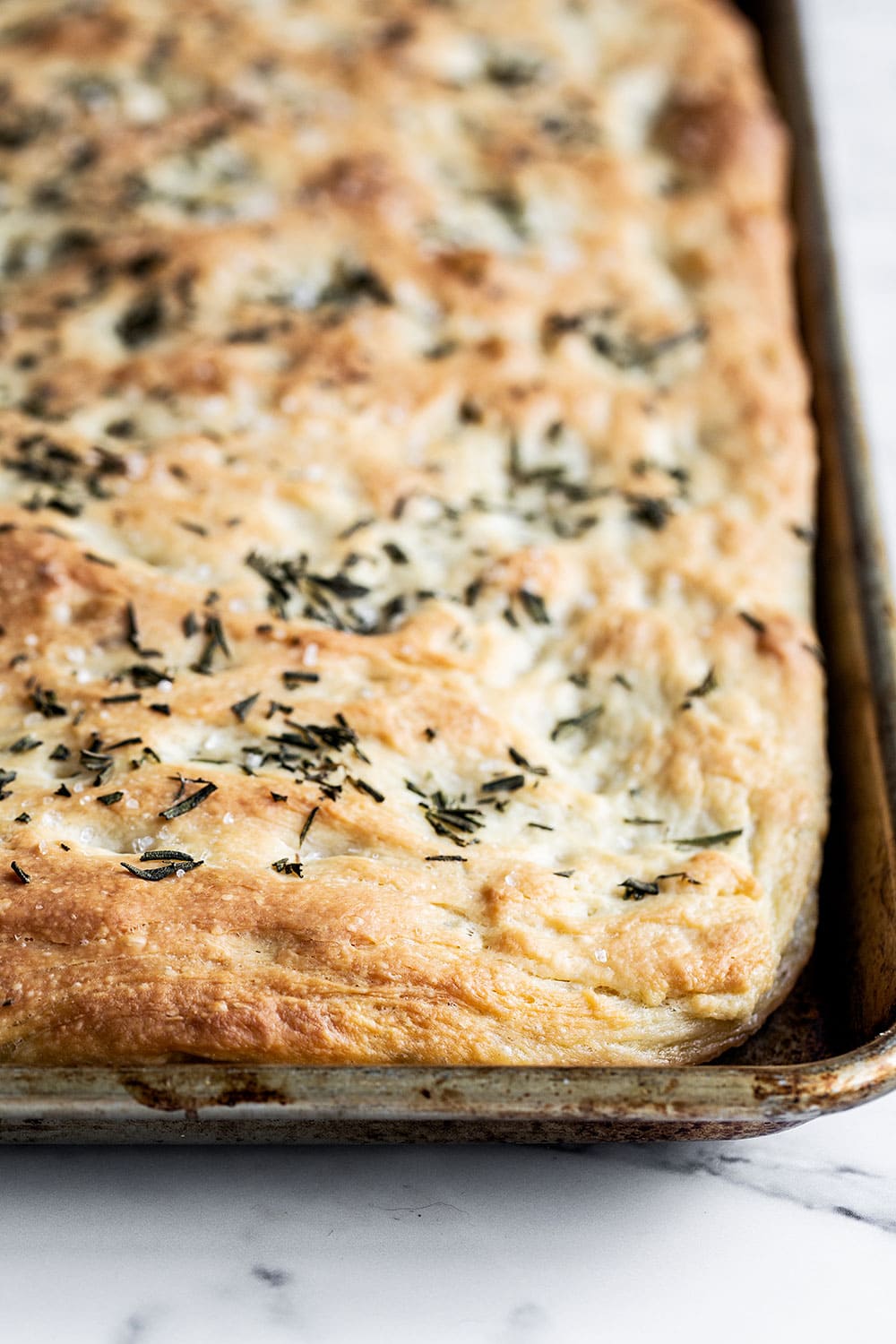
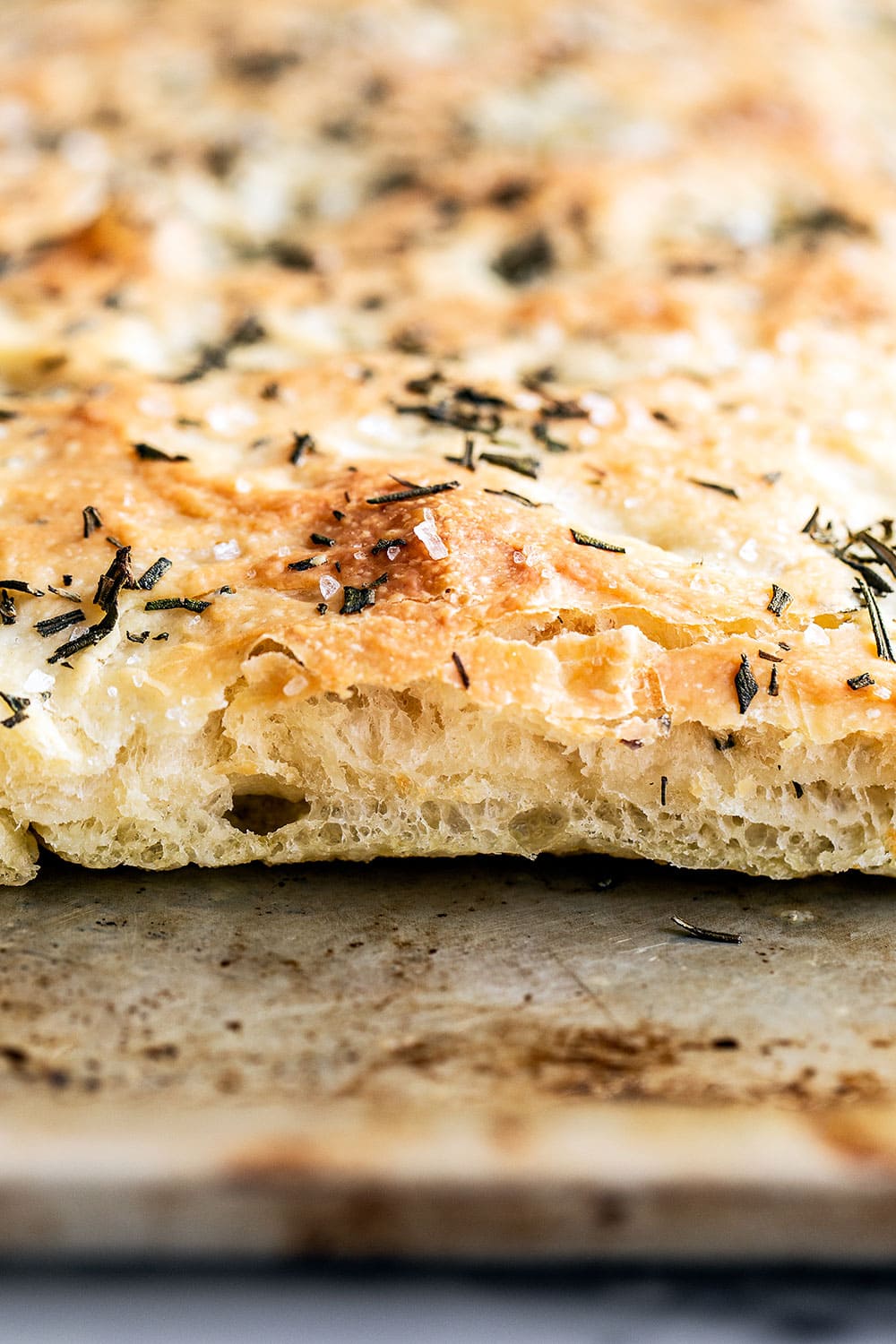
Texture: Soft and chewy inside with perfectly crisp golden edges.
Ease: No kneading, no mixer, just time & patience.
Why You’ll Love This Recipe: Incredibly forgiving and beginner-friendly, though you’d never guess from the amazing results.
This post may contain affiliate links. Read our disclosure policy.
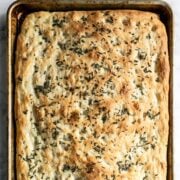

My focaccia recipe is one of the highest reward, lowest effort breads you can make right at home.
After watching Salt Fat Acid Head on Netflix , I tweaked my original focaccia bread recipe to reduce the yeast and extend the fermentation time.
This dramatically improved the flavor and texture without adding more difficulty. In fact, this method now allows for flexibility. You can bake it the same day or refrigerate the dough for several days to develop more flavor.
Reader Love
Made this for some friends for dinner to go along with my beef and barley soup. So delicious and easy to make! Everyone loved it.
–

Sprinkle of Science
Ingredients Notes
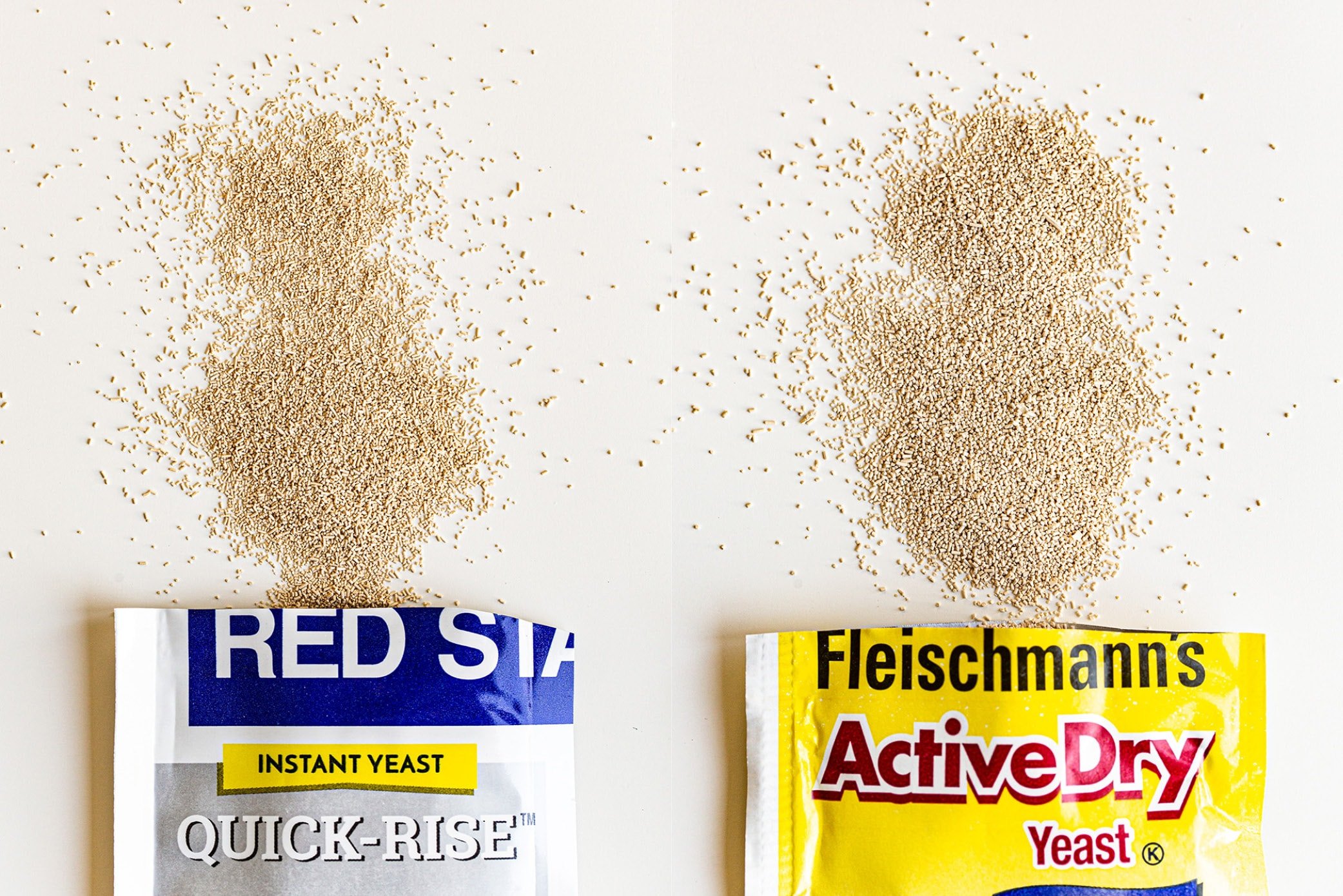
- Active dry yeast – A small amount of yeast + a long rise time = more flavor.
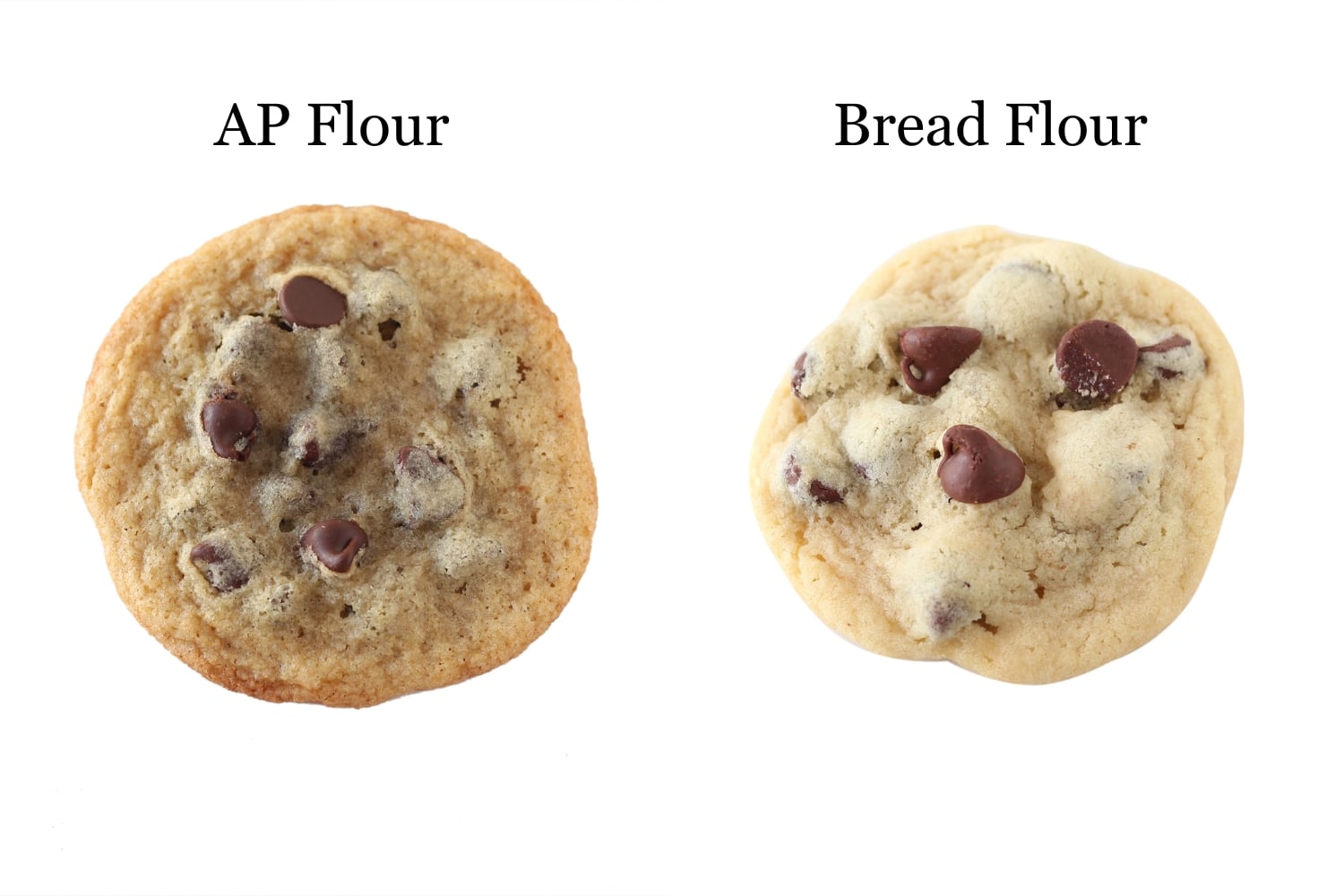
- All-purpose flour – The backbone of our focaccia bread, no need to run to the store for bread flour here!
- Granulated sugar – Just a little, to help feed the yeast as the bread ferments.
- Salt – Do not skimp! It may seem like lot (there’s three salt additions), but trust the process.
- Fresh rosemary – Adds aroma and that classic flavor. Chop finely so it doesn’t burn. And yes, fresh is best.
- Extra virgin olive oil – Again, do not skip. It’s a lot of oil, but it provides flavor, moisture, and crispness.
How to Make Focaccia Bread (Step by Step)
- Activate the yeast.
In a large bowl, combine warm water (110-120°F), yeast, and sugar. Let sit until slightly foamy, about 5 minutes. The surface should look cloudy with small bubbles. - Mix the dough.
Stir in 2 teaspoons chopped rosemary, half the flour, and the salt. Add ½ cup olive oil, then gradually add remaining flour until a shaggy, slightly sticky dough forms. The dough should look rough and loose, not smooth. - First rise (bulk fermentation).
Use wet hands to transfer dough to a lightly oiled bowl, cover, and let rise at room temperature for 8–10 hours, until doubled.
Optional: Refrigerate for up to 3 days for deeper flavor. - Spread onto pan.
Coat a rimmed half-sheet pan generously with remaining ½ cup olive oil. Turn dough out and gently stretch to fit the pan.
If it springs back: Cover and rest 10 minutes, then continue. - Dimple deeply.
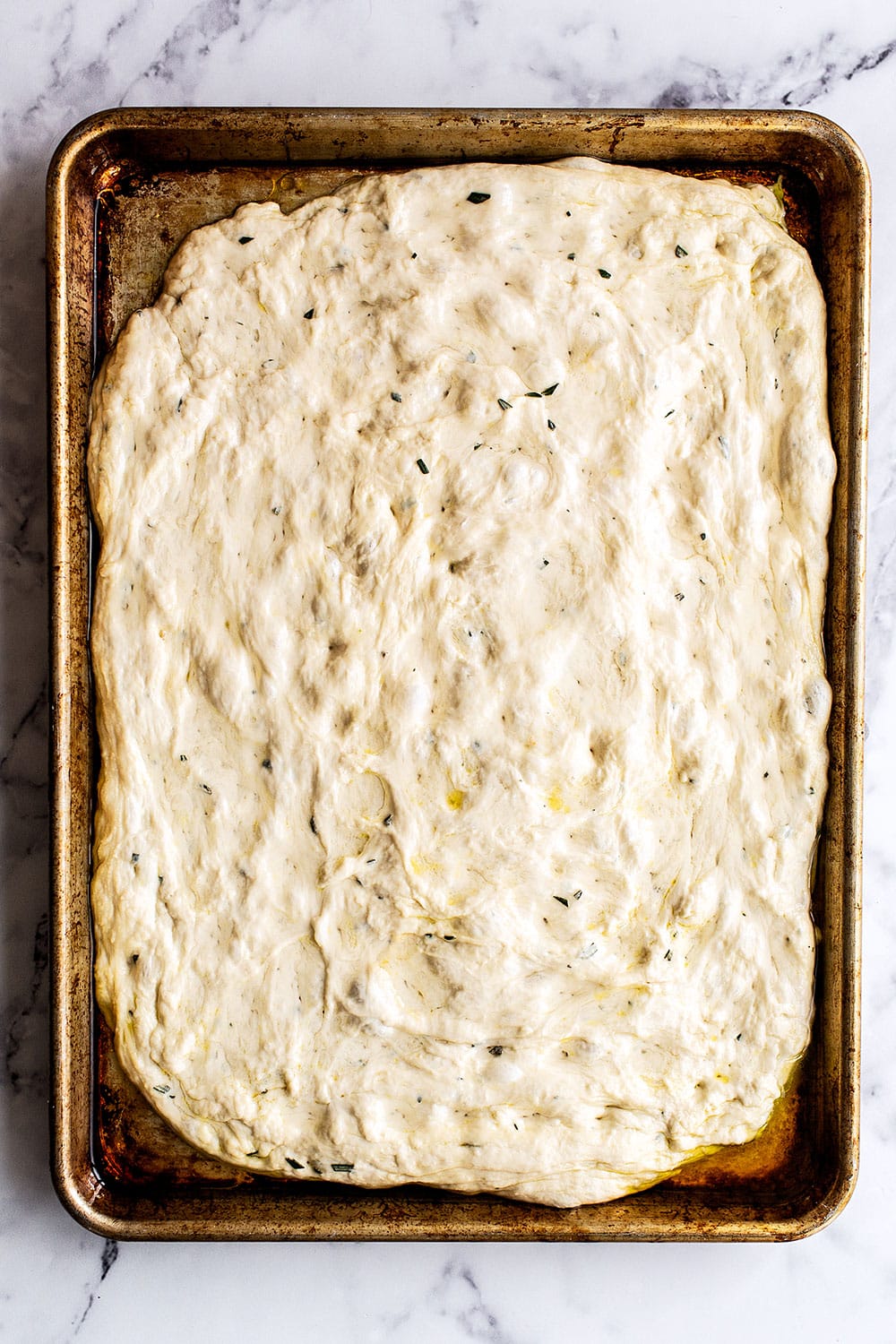
Use your fingertips to press deep dimples all over the dough, reaching through to the pan bottom. This creates texture and holds the brine. - Add the brine.
Dissolve salt in warm water. Pour evenly over dough, letting it pool in the dimples. - Second rise.
Cover loosely and let rise until visibly puffy, about 45 minutes. - Bake.
Preheat oven to 450°F. Sprinkle dough with flaky salt and remaining rosemary. Bake on the stone for 25–30 minutes, until deeply golden with crisp edges.
To guarantee crispy golden brown edges, I like to use a pizza stone to bake the tray of focaccia dough on. If you don’t have one, simply invert a high-quality rimmed baking pan and use in place of a stone.
Variations for Homemade Focaccia Bread
- Fresh herbs – Feel free to add whatever herbs you like to this focaccia bread. Fresh sage is a delicious alternative/addition. Fresh thyme, basil, and chives are also fabulous options.
- Toppings – You can also top the bread with whatever you fancy. I like shredded cheese (parmesan cheese works great), crumbled feta or goat cheese, torn fresh mozzarella, olives, bell peppers, cherry tomatoes, or even caramelized onions.
- Homemade everything bagel seasoning adds a fun touch.
- Garlic cloves – Add fresh, finely minced garlic to the dough.
- Pizza – Make a Focaccia Pizza!
- Sandwiches – Use a serrated knife to slice your cooled bread in half and make focaccia sandwiches.
- Dip into your favorite soups!
Storage
Focaccia bread is best the day it’s made. Store leftovers in a plastic bag for up to 1 day or freeze for up to 1 month.
Allow to defrost at room temperature then refresh in a 325°F oven until warmed through and crispy again, about 5 minutes.
FAQs
Focaccia is an Italian bread known for its olive oil–rich dough, dimpled surface, and crisp edges. It’s softer, flatter, and more flavorful than regular sandwich bread.
Usually not enough olive oil or insufficient oven heat. Use a metal pan (even a dark colored pan, which I usually avoid unless I want deeply golden bottoms & edges!), bake at 450°F, and don’t skimp on oil.
No! This no-knead focaccia bread recipe is beginner-friendly and relies on time, not technique.
Yes. Refrigerate the dough after the first rise for up to 3 days for better flavor. If refrigerating, don’t allow the dough to fully double before placing in the fridge, otherwise you may risk over-proofing.
Yes, that should work, but your crust may turn out much chewier and your dough stiffer.


Email This Recipe
Enter your email, and we’ll send it to your inbox.
Ingredients
For the dough:
- 2 cups lukewarm water, about 110° to 120°F
- 1 teaspoon active dry yeast
- 1 tablespoon granulated sugar
- 5 sprigs fresh rosemary leaves, chopped and divided
- 5 1/4 cups (670 grams) all-purpose flour
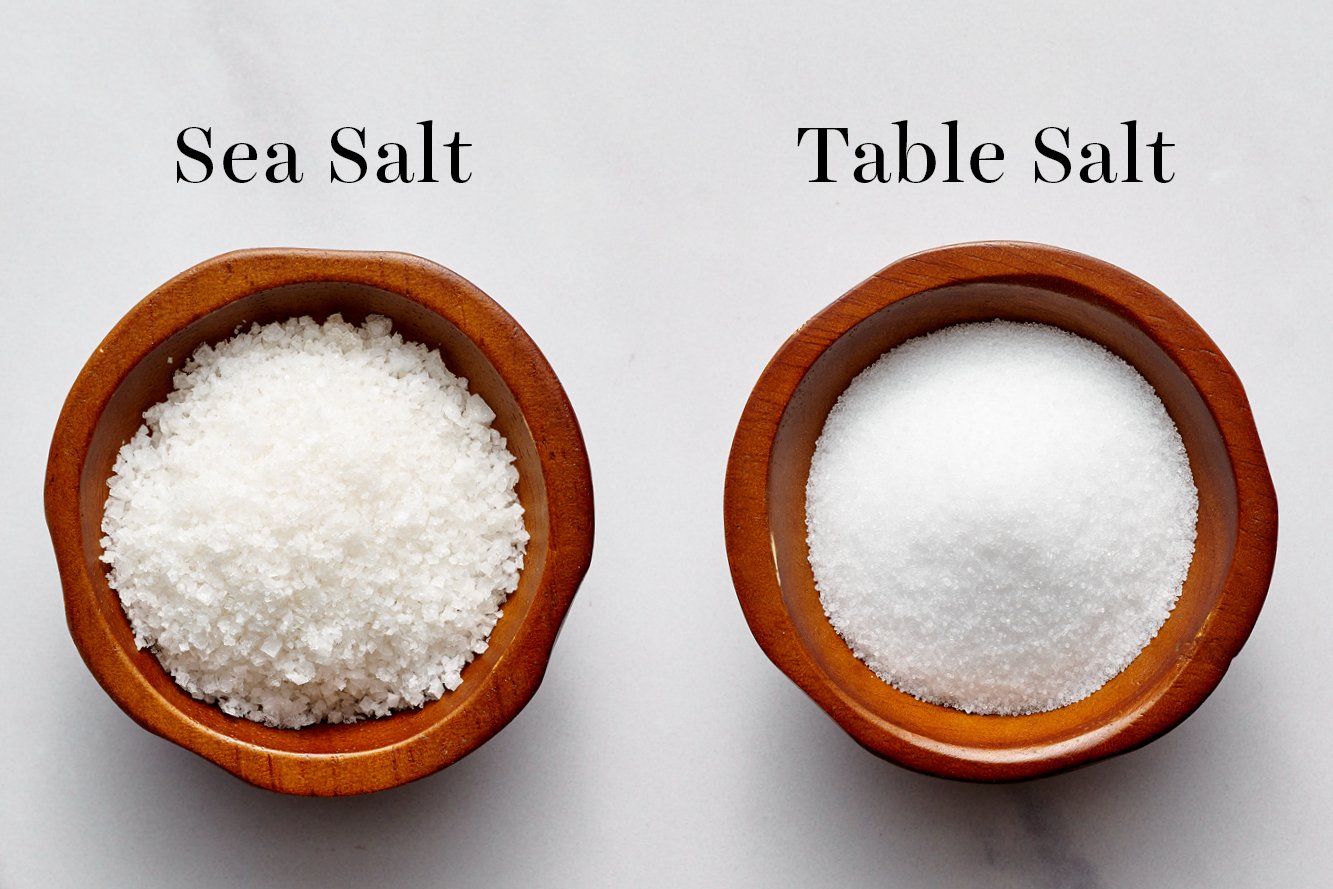
- 1 tablespoon kosher salt, plus coarse sea salt for sprinkling
- 1 cup extra-virgin olive oil, divided
For the brine:
- 3/4 teaspoon fine sea salt
- 1/3 cup lukewarm water
Instructions
- In a large bowl, combine the warm water, yeast, and sugar. Add in 2 teaspoons of the chopped rosemary, half the flour, and the salt, and stir to combine. Add 1/2 cup olive oil. Gradually add in the remaining flour until a shaggy mass forms. Only add in as much flour as you need to create a shaggy, slightly sticky dough.
- Transfer the dough to a lightly oiled bowl. Cover with plastic wrap and let ferment at room temperature for about 8 to 10 hours, or until doubled in size.
- You can also refrigerate the dough for several days to rise slowly. This will also develop more flavor. Note the second rise will take at least twice as long if the dough is cold.
- Coat a rimmed half-sheet pan with the remaining 1/2 cup olive oil. Turn the dough onto the pan and begin pressing it out with your fingertips to fit the size of the pan. Coax and stretch the dough to fit the entire pan, or just about. If the dough springs back, cover and let it rest for 10 minutes before proceeding. Spread your fingers to make little dimples all the way through the dough.
Make the brine:
- Combine the warm water and salt together until the salt is dissolved. Pour all over the dough to make little pools of water in the dimples. Cover loosely with plastic and allow to rise again until the dough is puffy, about 45 minutes.
Bake the bread:
- Meanwhile, place a baking stone in the oven and preheat to 450°F. If you don't have a baking stone, invert a heavy-duty rimmed baking sheet and place in the oven to preheat.
- Sprinkle the dough liberally with coarse sea salt and the remaining rosemary leaves. Bake with the sheet pan on top of stone until the focaccia is golden brown, 25 to 30 minutes.
- Let cool until just warm before serving. Store leftovers in an airtight container for 1 day, or freeze for up to 1 month.
More Savory Recipes You’ll Love:
This recipe was originally published in 2014 and has been updated with recipe improvements and new photos. Photos by Ashley McLaughlin.


This was so easy to make and a HUGE hit! It served four generously as an accompaniment to Chicken Parmesan and we had half the pan left over. It freezes well and would make wonderful sandwiches when sliced in half.
Next time I will omit the coarse salt (the brine makes it salty enough) and use less oil on the pan.
You could add different herbs or stud the dough with olives, onion, sun-dried tomatoes…..
Move over garlic bread; this one’s a keeper.
Hi, Tessa! I love Focaccia bread but I can’t eat much of it because of its salt on the surface. So, I’ve switched to making and eating Pizza Romana A La Teglio which doesn’t have a brine coating on top. But I used to love watching your video for making Focaccia Bread for years … but now the video for making Focaccia is by another woman … I don’t recognize her voice as being you … and the video is completely shortened … it doesn’t show all the steps of making the Focaccia bread the way your original video used to show. Please post your original video of how to make Focaccia bread at the end of the recipe for Focaccia bread.
Hi Sheila! The new video is Tessa talking as well, I promise 🙂 She probably just sounds a little different because the original video was from 10 years ago! You can still view that video here on YouTube. I hope that helps!